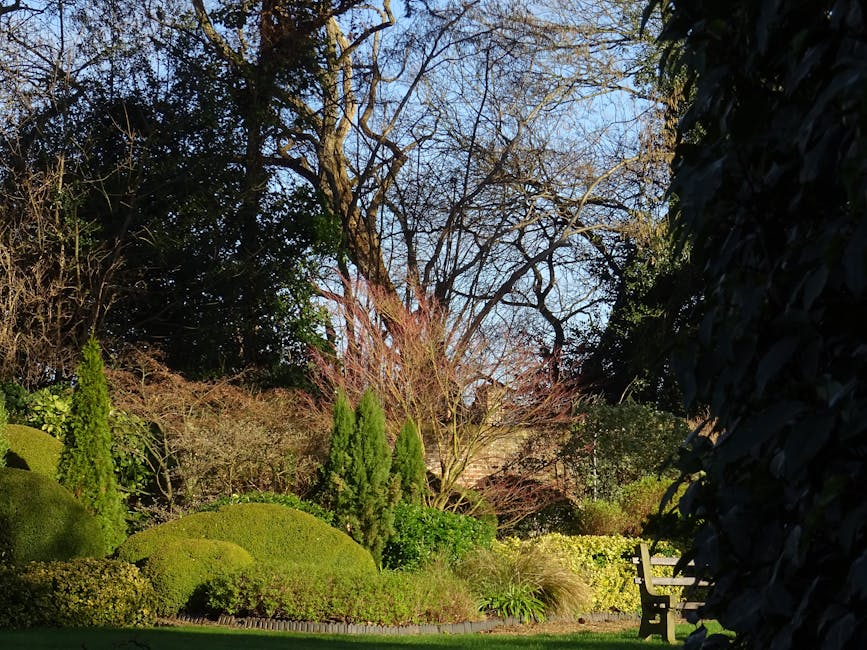
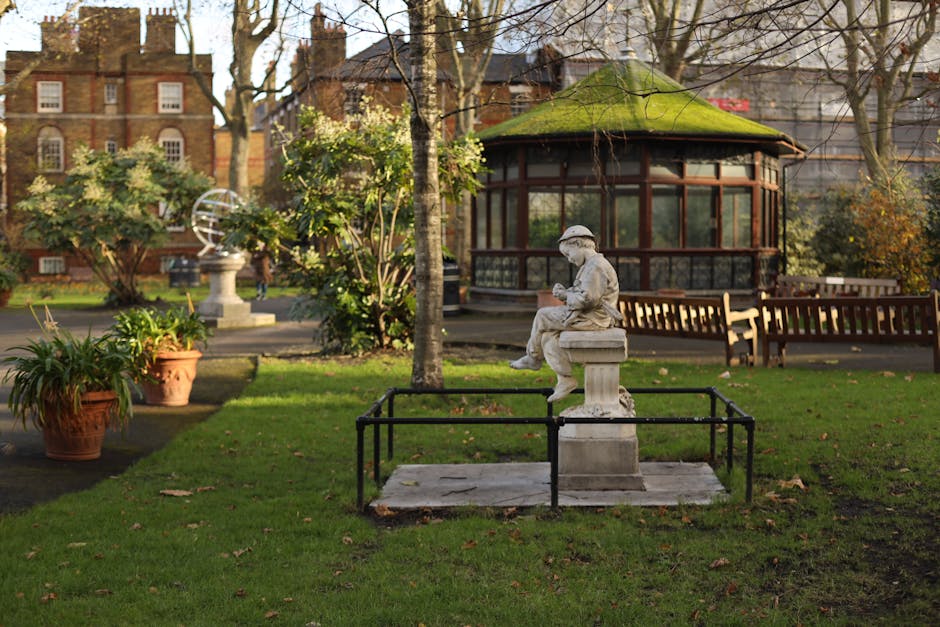
Gardeners for Salusbury Road gardens Queens Park NW6
If you live near Salusbury Road, you already know the gardens here have a particular rhythm to them. Front plots can be neat and compact, back gardens can be surprisingly generous, and many spaces need careful attention rather than heavy-handed work. That is exactly where Gardeners for Salusbury Road gardens Queens Park NW6 come in: steady, local, practical help that keeps a garden looking good without turning it into a full-time job.
Whether you are trying to tame an overgrown patch, keep a small courtyard tidy, or build a planting scheme that actually survives London weather, the right gardener makes the difference. This guide walks through what the service involves, how it works, what to expect, and how to choose the right approach for your space. Nothing flashy. Just the useful stuff, properly explained.
Table of Contents
- Why Gardeners for Salusbury Road gardens Queens Park NW6 Matters
- How Gardeners for Salusbury Road gardens Queens Park NW6 Works
- Key Benefits and Practical Advantages
- Who This Is For and When It Makes Sense
- Step-by-Step Guidance
- Expert Tips for Better Results
- Common Mistakes to Avoid
- Tools, Resources and Recommendations
- Law, Compliance, Standards, or Best Practice
- Options, Methods, or Comparison Table
- Case Study or Real-World Example
- Practical Checklist
- Conclusion
- Frequently Asked Questions
Why Gardeners for Salusbury Road gardens Queens Park NW6 Matters
Salusbury Road sits in a part of Queens Park where gardens are often visible, used daily, and expected to do a lot of work in a fairly small footprint. That changes what "good gardening" actually means. It is not just about making things look neat for one afternoon. It is about maintaining a space that stays attractive, healthy, and manageable across the seasons.
In practice, local gardens in NW6 often deal with a few familiar pressures: limited access, compact layouts, mature shrubs that outgrow their welcome, shaded corners, and the constant tug-of-war between structure and softness. A skilled gardener understands how to work with these conditions rather than against them. That matters because a rushed cut-back or the wrong planting choice can leave a garden bare, awkward, or oddly high-maintenance. And nobody wants that.
There is also the simple matter of time. Let's face it, most people do not want to spend a Saturday wrestling with brambles, deadheading tired borders, or trying to remember when the hedge last got trimmed. A good gardener brings consistency, and consistency is what keeps a garden from drifting into chaos.
Key takeaway: For Salusbury Road gardens, the real value is not only appearance. It is balance, upkeep, and making sure the garden still suits the way you actually live.
How Gardeners for Salusbury Road gardens Queens Park NW6 Works
Most professional gardening work begins with a conversation rather than a spade. A sensible gardener will ask what you want from the space, what feels urgent, and what you would like to improve over time. That first step is often where the best results start, because every garden has a different personality. Some need rescue. Some need routine care. Some need a cleaner structure and a bit of long-term thinking.
Typically, the process looks something like this:
- Initial assessment: The gardener looks at the layout, the condition of the beds, lawn, hedges, trees, soil, and access.
- Priorities are set: You decide whether the focus is maintenance, renovation, planting, pruning, clearance, or seasonal preparation.
- Work plan is agreed: This may be a one-off visit, a short project, or ongoing maintenance.
- Practical work begins: Tasks are completed in a sensible order, usually starting with clearance, then structure, then finer detail.
- Aftercare and next steps: The gardener explains what should happen next, especially if the garden has seasonal needs or newly planted areas.
That sounds straightforward, and usually it is. But the detail matters. For example, trimming shrubs before checking flowering season can mean losing blooms for months. Cutting a lawn too short during a dry spell can stress the grass. Overwatering in a shaded garden can create the opposite problem. Good gardeners think one step ahead, which is honestly half the job.
If you are comparing service options, it helps to review the full range of gardening services first so you know whether you need maintenance, clearance, planting support, or a more specialist visit. If cost planning matters, the pricing and quotes page is also a useful starting point.
Key Benefits and Practical Advantages
A well-managed garden does more than look tidy. It supports everyday life. It makes a front entrance feel welcoming, gives you a better place to sit out on brighter days, and reduces the creeping stress that comes from seeing jobs stack up week after week. You know that feeling when one small patch suddenly becomes four bigger problems? Gardens do that. Fast.
Here are the main advantages of hiring gardeners for Salusbury Road gardens in Queens Park NW6:
- Regular upkeep without the weekend drain: Your garden stays in shape without taking over your free time.
- Better plant health: Pruning, feeding, mulching, and watering are easier to manage when they are done properly and at the right time.
- Improved layout and usability: Paths, borders, lawns, and seating areas can be adjusted so the space works better day to day.
- Seasonal resilience: A good maintenance rhythm helps gardens cope with spring growth, summer dry spells, and autumn leaf fall.
- Less waste and fewer costly mistakes: A professional approach reduces overcutting, poor planting choices, and unnecessary replacement work.
There is also the visual benefit, which is not superficial at all. A tidy, healthy garden affects how you feel when you come home. The door opens, you see green instead of clutter, and the whole place breathes a bit more. It sounds small. It is not small.
For people who care about responsible upkeep, it may also help to look at the company's recycling and sustainability approach, especially if your garden work produces clippings, cuttings, or old plant material that should be handled sensibly.
Who This Is For and When It Makes Sense
This service is not just for large gardens or people with no gardening knowledge at all. In truth, some of the most useful work happens in small or awkward spaces where the difference between "managed" and "messy" is only a few weeks. That is especially true in Queens Park, where gardens can be compact, enclosed, and a little bit particular.
It makes sense to hire a gardener if you are:
- short on time but want the garden to stay presentable
- moving into a property with an overgrown or neglected garden
- trying to improve kerb appeal for a sale or rental
- looking to restore balance after a period of poor upkeep
- planning seasonal work such as pruning, planting, or lawn recovery
- managing a garden that needs more than the occasional tidy-up
It also makes sense if the space has begun to feel harder to use. Maybe the shrubs are blocking light. Maybe weeds are taking over the border edges. Maybe the lawn, to be fair, has become more of a memory than a lawn. That is often when people realise they need support, not just a quick fix.
For new customers who want to understand the team behind the service, the about us page is worth a look. If you are ready to speak with someone, the contact page gives you the straightforward next step.
Step-by-Step Guidance
If you are planning work for a Salusbury Road garden, here is the most practical way to approach it. Nothing fancy, just a method that tends to work.
- Walk the garden first. Notice what has changed, what feels overgrown, and what you want to keep. It helps to look in daylight and again later in the day if the garden gets different light.
- Separate urgent tasks from longer-term goals. An urgent task might be hedge clearance or weed control. A longer-term goal might be improving planting structure or reducing maintenance overall.
- Decide what level of help you need. A one-off tidy-up is very different from monthly maintenance. Some gardens only need seasonal visits. Others need steady support.
- Ask what will happen to waste. Green waste removal, composting, and disposal should all be discussed clearly before work starts.
- Set expectations about access and finish. If there are narrow paths, side gates, shared areas, or delicate surfaces, the gardener should know in advance.
- Review the first visit carefully. A good first job often reveals how the garden responds and what the next phase should be.
A small example: a front garden on a quiet NW6 street may only need pruning, edging, and a planting refresh, while a rear garden may need a full reset before maintenance even begins. Same postcode, completely different job. That is why one-size-fits-all thinking tends to fail here.
If payment methods and booking confidence matter to you, the payment and security information can help reassure you before arranging a visit. It is a simple thing, but important.
Expert Tips for Better Results
A few practical habits can make a real difference, even before the gardener arrives. These are the small, slightly unglamorous details that often separate a decent garden from a really good one.
- Keep notes on what blooms when. If you like a plant's flowers, do not let it be pruned at the wrong time. The blooms will not forgive you, honestly.
- Think in layers. A good garden usually has structure, mid-level planting, and ground cover rather than a single flat plane of shrubs.
- Protect soil health. Compacted soil makes everything harder. Mulch, compost, and gentle cultivation can help, especially after clearance work.
- Use maintenance to guide design. If a bed is always awkward to reach, it may need reshaping, not just more frequent weeding.
- Choose planting that suits the light. North-facing shade, boundary walls, and neighbouring trees all affect what will thrive.
A very practical tip: if you are unsure where to spend money first, start with structure. Tidy edges, clear access, healthy soil, and sensible pruning often give more visible improvement than buying lots of new plants. The garden looks calmer immediately, and calm is underrated.
For service standards and site safety, the health and safety policy and insurance and safety information are useful trust pages to review. Not glamorous, perhaps, but very worth knowing about.
Common Mistakes to Avoid
Gardens can handle a lot, but they do not respond well to guesswork. A few common errors show up again and again, especially in smaller London gardens where every cut and every plant placement matters.
- Overpruning too early: Some shrubs and climbers need a very specific window for pruning.
- Ignoring drainage: Waterlogged borders and poor runoff can cause recurring damage.
- Choosing plants for looks alone: A plant that looks lovely in a pot may be a poor match for shade, wind, or clay soil.
- Letting weeds get established: Once roots spread, what looked like a quick tidy-up becomes a longer job.
- Skipping seasonal care: Spring and autumn work are not optional extras. They set the tone for the rest of the year.
- Trying to do everything at once: That usually leads to fatigue, patchy results, and a half-finished garden.
One slightly awkward but common scenario: someone clears a large area, then realises the newly exposed soil dries out quickly and starts sprouting weeds again. The fix is not just more clearing. It is a proper plan for planting, mulching, and follow-up maintenance. That is the bit people miss.
If you need to know how to raise concerns or handle service issues in a structured way, the complaints procedure is there for clarity. That kind of transparency matters.
Tools, Resources and Recommendations
You do not need a shed full of specialist equipment to make a garden work well. But the right tools, used correctly, help everything go smoother. For homeowners, a few basics are often enough between professional visits.
| Task | Useful Tools | Practical Note |
|---|---|---|
| Light maintenance | Hand shears, secateurs, gloves, rake | Best for quick tidy-ups and precision work |
| Border care | Spade, fork, trowel, compost, mulch | Helps improve soil and reduce weeds |
| Lawn care | Mower, edging tool, aerator | Keep cuts moderate during dry or hot periods |
| Pruning | Loppers, secateurs, saw | Timing matters as much as the tool |
| Waste handling | Compost bin, bags, trug, barrow | Good waste management keeps jobs tidy and efficient |
If you are hiring help, ask whether the service includes waste removal, planting recommendations, and follow-up advice. That is usually where the value shows up. A gardener who can explain why they are doing something is often worth more than one who just arrives and starts cutting.
It can also help to understand the company's wider service framework. The services overview gives you a sense of how different tasks fit together, while the recycling and sustainability page is a good fit if you want a lower-waste approach.
Law, Compliance, Standards, or Best Practice
For garden work in London, the main thing is not to overcomplicate compliance, but also not to ignore it. A professional gardener should work safely, respect access arrangements, and handle waste responsibly. If machinery is used, safe operation matters. If there are ladders, sharp tools, or heavy materials, careful handling matters even more. Fairly obvious, yes, but still worth saying.
In shared or terraced settings near Salusbury Road, a few best-practice points are especially relevant:
- keep paths and entrances clear during work
- avoid leaving tools unattended where children or pets may access them
- check whether cuttings and waste need to be bagged or removed the same day
- respect neighbour boundaries, overhanging growth, and access routes
- use sensible timing if noise could affect surrounding homes
It is also sensible to confirm how the company handles insurance, safety documentation, and payment terms before any work begins. The relevant pages on insurance and safety, terms and conditions, and payment and security help set those expectations clearly.
For customers who value straightforward, accessible service information, the accessibility statement is another useful trust signal. Clear communication is part of good service. Simple as that.
Options, Methods, or Comparison Table
Different gardens need different kinds of help. The right choice depends on your space, your time, and how quickly you want results. Below is a practical comparison of common approaches.
| Approach | Best For | Pros | Limitations |
|---|---|---|---|
| One-off tidy-up | Overgrown or neglected gardens | Fast visual improvement, clears the backlog | Needs follow-up to stay tidy |
| Seasonal maintenance | Gardens that change with the year | Good balance of cost and consistency | Less suitable if the garden needs urgent recovery |
| Regular ongoing care | Busy homeowners or landlords | Prevents problems before they build up | Requires planning and budget commitment |
| Project-based improvement | Renovations, planting redesigns, layout fixes | Targets bigger changes in a structured way | May involve more time before the garden looks finished |
If you are unsure which route suits you, think about the garden's current state first. If it is stable and just needs upkeep, regular maintenance often makes the most sense. If it has been neglected for a while, a one-off reset followed by lighter care is usually the cleaner option. Not always, but often.
Case Study or Real-World Example
Here is a realistic example based on the kind of work often needed around Queens Park. A small rear garden near Salusbury Road had become difficult to use: shrubs had spread into the path, the lawn was patchy, and the borders were full of weeds that had clearly outstayed their welcome. Nothing dramatic, just the sort of slow drift that happens when life gets busy.
The first visit focused on clearance, pruning, and restoring access. Once the space could actually be walked through without sidestepping branches, the next stage was to improve structure: edging the beds, reshaping a couple of awkward shrubs, and adding mulch to reduce weed pressure. A follow-up visit handled planting adjustments and kept the garden from slipping back.
The biggest change was not just visual. The owner started using the garden again. Morning coffee outside. A bit of reading in the afternoon. Even a small garden feels different once it is easy to step into and pleasant to sit in. That is the real outcome people tend to want, even if they do not say it out loud at first.
For customers who want to learn more about the people behind the work, the about us page gives helpful background. And if you are at the point of comparing options, it is worth checking the pricing and quotes page so you can plan with a bit more confidence.
Practical Checklist
Use this checklist before booking or starting work on a Salusbury Road garden. It keeps conversations clear and avoids the usual muddle.
- Define the main goal: tidy-up, maintenance, planting, or recovery.
- Check access: gates, side returns, parking, and narrow paths.
- List your priorities: lawn, hedges, borders, weeds, trees, waste removal.
- Note any problem areas: shade, drainage, slippery paving, or stubborn roots.
- Ask about timing: how often visits are needed and which season suits the job.
- Confirm waste handling: what stays, what goes, and how it will be disposed of.
- Review trust and safety information: insurance, policies, and terms.
- Think about maintenance after the visit: what you can reasonably manage yourself.
If you can answer those points before the first visit, everything tends to run more smoothly. And yes, it saves awkward follow-up calls too.
Get a free quote today and see how much you can save.
Conclusion
Gardeners for Salusbury Road gardens Queens Park NW6 are about more than maintenance for maintenance's sake. They help turn outdoor space into something usable, calm, and easier to live with. That may sound modest, but it has a real impact day after day. A garden that is well cared for feels lighter, and in a busy part of London, that counts for a lot.
If you want a tidy border, a healthier lawn, better planting, or simply a garden that no longer feels like a lingering task, the smart move is to start with a clear plan and the right support. Keep it practical. Keep it seasonal. Build from there.
And if your garden has been quietly waiting for attention, well, now is a very good time to give it some.
Frequently Asked Questions
What do gardeners for Salusbury Road gardens Queens Park NW6 usually do?
They typically handle garden maintenance, pruning, weeding, lawn care, hedge trimming, planting, clearance, and seasonal tidy-ups. The exact service depends on your garden's condition and what you want from the space.
How often should a garden in Queens Park be maintained?
That depends on the size of the garden, how fast plants grow, and how much use the space gets. Some gardens only need seasonal visits, while others benefit from regular monthly or fortnightly care.
Is a one-off garden tidy-up enough?
Sometimes yes, especially if the garden just needs a reset. But if weeds, pruning, or growth control are recurring issues, follow-up maintenance is usually the better long-term option.
Can gardeners help with overgrown gardens?
Yes. A good gardener can clear overgrowth, remove dead material, restore access, and set the garden up for easier maintenance afterwards. That first recovery visit often makes the biggest difference.
How do I know whether I need planting work or just maintenance?
If the garden is healthy but messy, maintenance may be enough. If plants are failing, borders look empty, or the layout feels awkward, then planting changes or small redesign work may help more.
What should I ask before booking a gardener?
Ask what is included, how waste is handled, whether the visit is one-off or ongoing, what the likely next steps are, and how pricing is structured. Clear answers at the start save a lot of hassle later.
Do gardeners remove green waste?
Often yes, but it should always be confirmed in advance. Waste handling can vary depending on the job, so it is best to check whether removal, composting, or on-site stacking is included.
Are gardeners insured and safety aware?
They should be. It is sensible to check insurance and safety information before work begins, especially if machinery, ladders, or heavy lifting are involved. Good practice is part of good service.
How can I keep costs under control?
Be clear about priorities, group tasks together where possible, and decide whether you want one-off work or ongoing care. A well-planned visit usually gives better value than repeated emergency fixes.
What is the best season to start garden work?
There is no single perfect season for every garden, but spring and autumn are often key times for maintenance, planting, and preparation. Winter and summer work can still be useful, just with different priorities.
Can a gardener help make a small garden feel bigger?
Yes. Pruning, better layout, lighter planting, cleaner edges, and improved sight lines can all make a compact garden feel more open. Small gardens often improve fastest with careful structure rather than lots of new items.
How do I get started?
Start by reviewing the service options, thinking through your priorities, and then making contact to discuss the garden in plain terms. A short conversation is usually enough to work out the next sensible step.