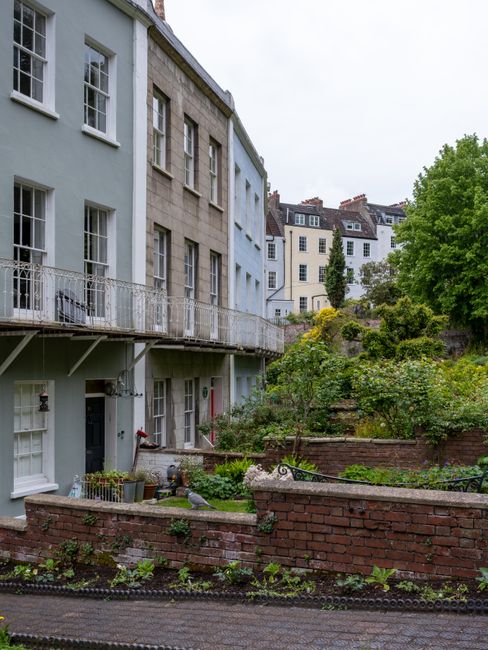
Gardeners for Clifton Villas courtyard planting Queens Park
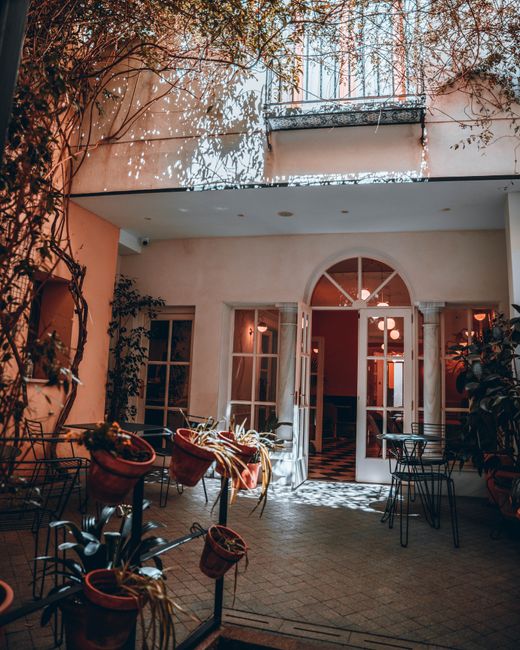
If you are looking for Gardeners for Clifton Villas courtyard planting Queens Park, you are probably dealing with a space that is beautiful, compact, and slightly unforgiving. Courtyards in this part of London often get a mix of shade, reflected heat, dry corners, and awkward access. They can look stunning, but only if the planting is chosen with a bit of care. Truth be told, a courtyard can go from elegant to tired quite quickly if the wrong plants, drainage, or maintenance rhythm is used.
This guide walks through what courtyard planting involves, why it matters in a place like Clifton Villas, how the process works, and what a well-planned result should actually feel like day to day. You will also find practical tips, common mistakes, a comparison of planting approaches, and a realistic checklist to help you make better decisions. If you want a space that feels calm, green, and manageable rather than high-maintenance and fussy, you are in the right place.
- Why Gardeners for Clifton Villas courtyard planting Queens Park Matters
- How Gardeners for Clifton Villas courtyard planting Queens Park Works
- Key Benefits and Practical Advantages
- Who This Is For and When It Makes Sense
- Step-by-Step Guidance
- Expert Tips for Better Results
- Common Mistakes to Avoid
- Tools, Resources and Recommendations
- Law, Compliance, Standards, or Best Practice
- Options, Methods, or Comparison Table
- Case Study or Real-World Example
- Practical Checklist
- Conclusion
- Frequently Asked Questions
Why Gardeners for Clifton Villas courtyard planting Queens Park Matters
Courtard planting is not just about filling pots with flowers and hoping for the best. In Clifton Villas and the wider Queens Park area, many courtyards are enclosed, overlooked, or bordered by brick, paving, and narrow walkways. That means the planting has to do several jobs at once: soften hard edges, bring colour, improve privacy, and stay healthy in a constrained environment.
And that is where experienced gardeners make a real difference. A courtyard needs more than decorative instinct. It needs judgement. What gets enough light? Where does water pool after rain? Which corner dries out by lunchtime? Which container looks elegant now but will need constant watering by July? These are the small details that separate a polished courtyard from a frustrating one.
In a location like Queens Park, where many properties have a mix of period character and modern use, planting should feel like part of the architecture rather than an afterthought. A good scheme can make a compact outdoor area feel calm and spacious. A poor one can make it feel crowded, patchy, and oddly restless. Let's face it, nobody wants to step outside and be greeted by limp herbs, mossy pots, and one lonely geranium hanging on for dear life.
There is also a practical side. Courtyards often need planting that works hard through the seasons with limited soil depth and less forgiving conditions than a larger garden. Good gardeners understand that and plan accordingly, using structure, texture, and reliable plants instead of treating the space like a full-size border.
How Gardeners for Clifton Villas courtyard planting Queens Park Works
The process usually begins with a proper look at the space. A good gardener will assess light levels, drainage, shelter, access, and how you actually use the courtyard. Do you want a place to sit with morning coffee? A leafy view from the kitchen? More privacy from neighbours? A low-maintenance scheme that still looks stylish? These questions matter because courtyard planting should support daily life, not just photograph well for one week in spring.
Next comes plant selection. In a smaller space, every choice counts. You need plants that suit the aspect, the container size, and the level of care you want to commit to. Shade-loving ferns, evergreen structure, scented climbers, compact shrubs, seasonal bulbs, and drought-tolerant perennials are all common options, but the right mix depends on the conditions.
Then there is the physical setup. In many courtyard projects, the quality of the soil or compost, the size of planters, the drainage holes, and the positioning of each container make a big difference. A beautiful plant in the wrong pot can still fail. It sounds obvious, yet it happens all the time.
Finally, there is maintenance. Courtyard planting is rarely a one-and-done job. Even the best design needs feeding, pruning, deadheading, and occasional reshuffling as plants settle in. The aim is to create a rhythm that suits the space and your schedule. Not too needy, not neglected. Somewhere in the middle, ideally.
If you want a broader sense of how planting fits into outdoor work, the services overview gives a helpful picture of the kinds of garden support typically available across the site.
Key Benefits and Practical Advantages
A well-designed courtyard does more than look tidy. It changes how the space feels and how often you use it. That is the real measure, in our experience. If you find yourself opening the door more often because the view feels inviting, the planting is doing its job.
- Better use of a small space: Courtyard planting can make tight areas feel more layered and generous.
- More privacy: Tall containers, climbers, and screening plants can soften sightlines without making the space feel boxed in.
- Year-round interest: Evergreens, bark, structure, and winter foliage keep the space from going flat in colder months.
- Lower visual noise: A controlled planting palette creates calm, which is especially valuable in enclosed urban settings.
- Better climate balance: Plants can help cool hot paving, soften glare, and reduce the harshness of hard landscaping.
- Higher everyday enjoyment: The space feels more useful for reading, eating, working, or just taking a breather.
There is also a subtle but important benefit: good planting gives a sense of care. It signals that the property is maintained thoughtfully, not just cleaned occasionally. That might sound minor, but in a courtyard, the difference is immediate. You can feel it the moment you step outside.
For properties that also need hard landscaping or layout changes, combining planting with services such as landscaping or landscape gardening can create a much more cohesive result.
Who This Is For and When It Makes Sense
This type of work suits homeowners, landlords, and property managers who want a courtyard that feels intentional rather than temporary. It is especially useful if the space has become a collection of tired pots, self-seeded weeds, and one or two plants that have clearly been surviving on goodwill alone.
You may need this kind of service if:
- your courtyard gets poor light and you are unsure what will thrive
- you want more privacy without building a solid fence or wall
- the paving dominates the space and you want more softness
- you need low-maintenance planting that still looks polished
- your current pots are underperforming or badly placed
- you want a scheme that looks good in all seasons, not just summer
It also makes sense if you are preparing a property for sale or rental, or simply want to enjoy the courtyard more yourself. Some people want a practical space with herbs and evergreen structure. Others want a small retreat that feels leafy and private. Both are valid. The best design starts with how you actually live, not with trends.
If you are currently comparing services, it can help to look at practical support like garden maintenance as well. Courtyard planting often works best when there is a simple plan for keeping it tidy once the initial work is done.
Step-by-Step Guidance
Here is the straightforward version of how a strong courtyard planting project should unfold.
- Assess the site carefully. Check light, shade, wind, drainage, access, and how much time you can give to care.
- Define the goal. Decide whether the priority is privacy, colour, structure, fragrance, low maintenance, or a combination.
- Choose a planting style. This might mean contemporary minimal, soft cottage-inspired, evergreen and architectural, or a mixed seasonal scheme.
- Select plants for the conditions. Match the plant to the aspect rather than forcing a favourite species into the wrong place.
- Prepare containers and soil properly. Use good compost, adequate drainage, and containers large enough for roots to settle.
- Plant with balance in mind. Mix heights, textures, and leaf shapes so the scheme feels full without looking cluttered.
- Finish with watering and establishment care. New plants need close attention early on, especially in warm or exposed spots.
- Review after a few weeks. Some plants settle quickly; others need repositioning or extra support. That is normal.
A useful rule of thumb is to design for the worst week of the year, not the best day. If the space handles a cold March morning and a hot July afternoon, you are much closer to a successful courtyard.
For practical issues like clearing out overgrown pots or making room for a fresh scheme, you may also find garden clearance helpful before planting begins.
Expert Tips for Better Results
There are a few things that regularly make a courtyard planting scheme look more expensive, more settled, and frankly more convincing.
- Use repetition. Repeating a few plant types across the space creates calm. Too many different plants can make a small courtyard feel busy.
- Think in layers. Combine a low base layer, mid-height plants, and one or two taller features for structure.
- Choose pots with purpose. Large containers often perform better than lots of tiny ones. They hold moisture more evenly and look more grounded.
- Prioritise foliage as well as flowers. Flowers are lovely, but leaves carry the scheme for most of the year.
- Plan for watering access. A beautifully planted courtyard that is awkward to water becomes a chore very quickly.
- Use scent where you pass close by. Courtyards are intimate spaces, so fragrant plants can have a bigger impact than you might expect.
A small but useful observation: in tight spaces, a single well-placed climber can do more than three separate ornaments. It adds height, softness, and movement. It also saves you from the dreaded "too many bits" look. Nobody needs that.
If you are thinking about structure and screening, the article on tall potted plants for privacy and elegance is a useful companion read because it explores some of the same visual principles.
Common Mistakes to Avoid
Most courtyard planting problems come from the same handful of mistakes. The good news is that they are avoidable once you know what to watch for.
- Choosing plants for appearance only. A plant can look perfect in a nursery and still dislike the actual site.
- Underestimating shade. Courtyards often get less light than expected, especially between taller buildings.
- Using containers that are too small. Small pots dry out fast and limit root growth.
- Forgetting drainage. Waterlogged roots are a common cause of failure in enclosed outdoor areas.
- Overcrowding. It is tempting to fill every gap at the start, but plants need room to settle and expand.
- Ignoring seasonal change. A scheme that looks wonderful in June may look thin in January if winter structure was not considered.
- Skipping maintenance planning. Even low-maintenance planting needs some attention. No way around it, really.
One thing people often miss is scale. A plant that feels modest in a nursery pot can spread surprisingly quickly in a courtyard. That is not a disaster, but it does mean you need to think ahead. Otherwise the space can become crowded and awkward to move through.
If the planting area is already overgrown, tied in with old borders, or full of tired material, services such as hedge trimming and tree lopping and removal may be relevant if larger plants are casting too much shade or crowding the courtyard.
Tools, Resources and Recommendations
You do not need a shed full of specialist kit to get good results, but a few tools and materials matter more than people expect.
| Item | Why it helps | Best use in a courtyard |
|---|---|---|
| Quality compost | Supports healthy root growth and moisture balance | Filling planters and refreshing tired containers |
| Drainage material | Helps prevent water sitting at the base of pots | Useful in containers with slow drainage |
| Secateurs | Makes pruning and deadheading clean and quick | Essential for maintenance visits |
| Watering can or hose access | Keeps new planting evenly watered | Vital during establishment and dry spells |
| Mulch | Helps retain moisture and tidy the surface | Very useful for reducing evaporation in containers |
In terms of recommendations, start with plants that suit the site rather than forcing a style. That sounds basic, but it is the number one difference between a scheme that lasts and one that constantly needs replacing. If you want a more comprehensive approach to upkeep, a regular maintenance routine is usually better value than repeated rescue work.
For those interested in keeping the space tidy without losing its character, lawn mowing may be less relevant in a courtyard itself, but it can be part of wider garden care if the property has a small lawn adjoining the planted area.
Law, Compliance, Standards, or Best Practice
Most courtyard planting work is straightforward, but there are still practical standards to respect. If the property is leasehold, shared, or part of a managed building, you should check whether there are rules about access, works hours, waste removal, or changes to communal surfaces. That is not glamorous, but it avoids unnecessary friction later.
From a best-practice point of view, good gardeners should work safely, protect surfaces, and avoid damaging drainage points, walls, or boundary features. They should also take care with heavier containers and any work near steps, narrow passages, or shared entrances. In London, where access can be tight, careful handling matters more than people expect.
There are also sensible environmental standards to think about. Water use should be efficient, waste should be managed responsibly, and healthy plants should be selected to reduce unnecessary replacement. If recycled materials or repurposed pots are used, they should still be suitable and safe for planting. The goal is not just a pretty courtyard, but one that is practical and responsibly maintained.
If you want reassurance around site safety and responsible working practices, the pages on health and safety policy and insurance and safety provide helpful background on how a professional service thinks about these matters.
Options, Methods, or Comparison Table
Not every courtyard needs the same planting strategy. Here is a simple comparison of common approaches.
| Approach | Best for | Pros | Watch-outs |
|---|---|---|---|
| Evergreen structure | Year-round neatness and privacy | Reliable, calm, low-fuss look | Can feel static without seasonal accents |
| Seasonal colour scheme | People who enjoy change and flowers | Fresh, lively, flexible | Needs more rotation and upkeep |
| Mixed foliage and flower planting | Balanced visual interest | Works through the year and looks full | Needs thoughtful layout to avoid clutter |
| Screening-led planting | Privacy from neighbours or windows | Useful, attractive, and space-efficient | May need taller containers and stronger support |
If you are undecided, mixed foliage and structure is often the safest starting point. It gives you visual depth without demanding constant replanting. Then you can add seasonal highlights as needed. Simple, but effective.
Case Study or Real-World Example
Imagine a typical Clifton Villas courtyard: a narrow paved space, a few tired containers, one shady corner near the wall, and a sunnier patch close to the door. The owner wants it to feel calmer, more private, and less like a forgotten side yard.
The first step is to clear out the dead material and assess what is actually worth keeping. A couple of healthy shrubs might be worth reusing. The rest may be past its best. After that, the planting plan could include a pair of taller evergreen containers for structure, a climbing plant on a trellis for softness and height, and a mix of shade-tolerant perennials and textured foliage for the lower layers.
The finished space would not be overloaded. That is the key. It would have one or two focal points, a consistent palette, and enough empty breathing room to make the plants stand out. On a bright morning, the leaves might catch the light along the edges of the paving. By evening, the courtyard would feel more enclosed and restful. Not flashy. Just pleasant in a way that makes you linger for another five minutes with a cup of tea.
If the courtyard also needs a wider refresh, works such as decking services or broader landscaping can help create a more coherent outdoor room, especially where sitting space and planting need to work together.
Practical Checklist
Use this checklist before starting or refreshing a courtyard planting scheme.
- Check how much light the space gets at different times of day.
- Note any wind tunnels, dry corners, or waterlogged spots.
- Decide whether privacy, colour, scent, or structure matters most.
- Choose containers that are large enough for mature growth.
- Make sure every pot has proper drainage.
- Use a planting mix suited to containers and the local conditions.
- Balance evergreen structure with seasonal colour.
- Leave enough space for access and maintenance.
- Plan how the courtyard will be watered in warm weather.
- Set a simple maintenance schedule for pruning and feeding.
- Confirm whether any building or leaseholder rules apply.
- Remove weak or overcrowded plants before adding new ones.
Expert summary: The best courtyard planting is not the most crowded or the most colourful. It is the one that suits the light, fits the architecture, and stays attractive with manageable upkeep. That balance is what keeps the space feeling good after the novelty wears off.
If you are ready to improve a courtyard in Queens Park, a well-planned planting scheme can make the space feel more private, more welcoming, and far easier to enjoy day to day. For pricing guidance and next steps, see pricing and quotes.
Get a free quote today and see how much you can save.
Conclusion
Courtyard planting in Clifton Villas is one of those jobs where the details really matter. The right plants, the right containers, and the right maintenance rhythm can completely change how the space feels. Done well, it becomes a little urban refuge: green, calm, and quietly useful. Done badly, it becomes another chore waiting to happen.
The good news is that a thoughtful approach is usually enough. You do not need a grand garden or a huge budget to create something attractive. You need a clear plan, realistic plant choices, and an eye for scale. After that, the courtyard starts working with you instead of against you. And honestly, that makes all the difference.
For a bit more background on the team and how the service approach is structured, you can also take a look at the about us page. Sometimes it helps to know who is actually doing the work before you invite them into a space that is partly garden, partly private room, and partly daily escape.
In the end, a good courtyard planting scheme should feel quietly satisfying every time you open the door. That is the real win.
Frequently Asked Questions
What makes courtyard planting different from ordinary garden planting?
Courtyard planting has to perform in a tighter, more controlled space. There is less soil, more hard surface, and usually more shade or reflected heat. That means plant choice, drainage, and container size matter more than they do in an open garden.
Which plants work best for a shaded courtyard in Queens Park?
Shade-tolerant foliage plants, ferns, evergreen shrubs, and some woodland-style perennials often perform well. The exact mix depends on how deep the shade is. A north-facing courtyard is very different from one that only gets a little afternoon light.
Can courtyard planting be low maintenance?
Yes, but low maintenance does not mean no maintenance. The best low-care schemes use the right plant selection, good-size containers, and a simple upkeep routine. If a design depends on constant watering and trimming, it is not really low maintenance at all.
How often should courtyard plants be watered?
It depends on the season, the container size, the material of the pot, and exposure to sun or wind. In warm weather, some planters may need frequent watering. Smaller containers dry out much faster than large ones, which is why size matters so much.
Do I need professional gardeners for a small courtyard?
Not always, but professional help can save time and reduce costly mistakes, especially if the space is awkward, shady, or already overgrown. Even a small courtyard benefits from a plan that suits the exact conditions rather than guesswork.
What is the biggest mistake people make with courtyard planting?
Choosing plants that look good in the shop but are unsuited to the actual site is probably the most common one. After that, the big issue is usually undersized containers. Plants quickly outgrow small pots, and then the whole scheme starts to struggle.
Can courtyard planting improve privacy?
Yes. Tall planters, climbers, evergreen screening, and layered planting can all soften views into the space. It will not create complete seclusion in every case, but it can make a noticeable difference without using heavy barriers.
How do I keep a courtyard looking good through winter?
Use evergreen structure, textured foliage, bark, and some plants with shape rather than relying entirely on flowers. Winter interest comes from form and contrast as much as colour. A courtyard that looks ordered in January usually had good structure from the start.
Should I clear the whole courtyard before replanting?
Not always, but if the existing planting is tired, overcrowded, or diseased, a clean start is often the best option. Clearing out the old material gives you a better sense of the space and helps prevent carrying problems into the new scheme.
How long does it take for courtyard planting to settle in?
Some plants settle quickly, while others need a full season to establish properly. The first few weeks are the most delicate. After that, you usually start to see the scheme take shape and behave more predictably.
What should I ask before hiring gardeners for courtyard planting?
Ask how they assess light and drainage, what plant choices they recommend for your exact site, how they handle maintenance, and whether they can work within access limits. It also helps to ask about care after planting, because that is where many projects succeed or fail.
Is it worth combining planting with other garden work?
Often, yes. If the courtyard needs clearance, edging, structural work, or broader maintenance, combining tasks can create a more cohesive result and save repeated disruption. It also means the planting is designed around the space as a whole, not in isolation.