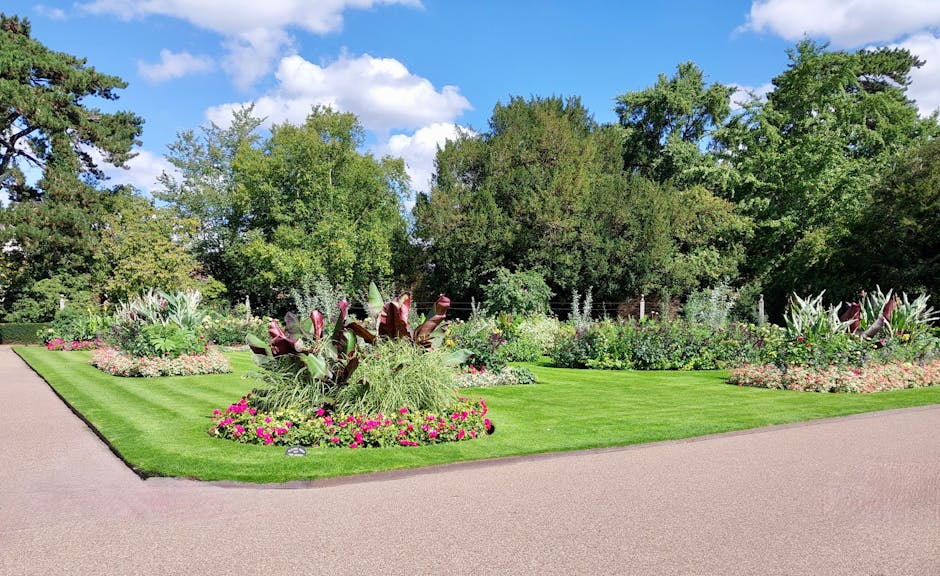
Best gardeners near Queens Park station for terrace gardens NW6
Finding the best gardeners near Queens Park station for terrace gardens NW6 is a bit more nuanced than hiring someone to "tidy the garden." Terrace gardens in this part of London tend to be compact, exposed, and full of awkward edges, so the right gardener needs more than enthusiasm. They need judgement. They need to understand container planting, seasonal maintenance, drainage, privacy, and the reality of working in tight access spaces where a wheelbarrow barely turns without bumping a fence.
If your terrace is looking tired, overgrown, or just not making the most of its space, this guide walks you through what to look for, how terrace garden care works, what good service should include, and how to avoid the usual mistakes. You'll also find a practical checklist, a comparison table, and some plain-English advice that should save you time and money. Let's face it, nobody wants to pay twice for the same job.
Table of Contents
- Why Best gardeners near Queens Park station for terrace gardens NW6 Matters
- How Best gardeners near Queens Park station for terrace gardens NW6 Works
- Key Benefits and Practical Advantages
- Who This Is For and When It Makes Sense
- Step-by-Step Guidance
- Expert Tips for Better Results
- Common Mistakes to Avoid
- Tools, Resources and Recommendations
- Law, Compliance, Standards, or Best Practice
- Options, Methods, or Comparison Table
- Case Study or Real-World Example
- Practical Checklist
- Conclusion
- Frequently Asked Questions
Why Best gardeners near Queens Park station for terrace gardens NW6 Matters
Terrace gardens near Queens Park station usually sit in that sweet spot between city living and private outdoor space. They are small enough to feel manageable, yet big enough to become frustrating if neglected. A good gardener understands how to work with that balance instead of fighting it.
In NW6, terrace gardens often face a few predictable challenges: shaded corners, wind exposure, patchy soil, narrow access, and neighbours close by. Those things matter because they affect plant choice, watering routines, pruning schedules, and even where a gardener can safely place tools and waste. A terrace can look calm and elegant from the kitchen window, but it may take a bit of careful planning behind the scenes.
There's also the local lifestyle factor. People around Queens Park station often want gardens that are attractive but not high-maintenance. That means structure, clean lines, smart planting, and practical upkeep. A gardener who knows terrace gardens well will usually suggest solutions that are realistic rather than glossy-but-impractical. For example, a wall of thirsty plants in full sun might look beautiful for a week. Then summer arrives, and suddenly you're running the watering can like it's a second job.
If you want a broader view of what a professional gardening team can handle, the services overview is useful because terrace work is often only one part of a wider maintenance plan.
How Best gardeners near Queens Park station for terrace gardens NW6 Works
Good terrace garden care is usually a mix of maintenance, design judgement, and practical problem-solving. It starts with a quick assessment of what the space already has: the condition of the paving, the health of the planting, how much light reaches different corners, and whether the area needs a light tidy or a more involved refresh.
A typical job may involve pruning, weeding, feeding, re-potting, shaping climbers, refreshing mulch, and clearing fallen leaves or debris. In some cases, it may also include structural improvements such as edging, screening, decking, or better layout planning. If the space feels cluttered, a careful garden clearance can make a surprising difference before any new planting begins.
For terraces, access is often the hidden issue. Materials may need to be carried through the property, tools kept compact, and waste moved without damaging paving or paintwork. The best gardeners factor that in from the start. They won't treat a terrace like a suburban back garden with room to spare, because it isn't one.
There is also the seasonal rhythm. Spring and early summer usually call for growth management and planting refreshes. Late summer may focus on watering and deadheading. Autumn brings leaf fall, cut-back work, and preparation for wet weather. Winter is the moment for structure, repairs, and planning next year's changes. Simple enough, but easy to miss if you only look at the garden when it is bothering you.
When the garden needs routine upkeep rather than a one-off intervention, garden maintenance is usually the service that keeps everything under control.
Key Benefits and Practical Advantages
Hiring a skilled local gardener for a terrace garden is not just about appearance, though appearance is part of it. The real value is in getting a space that functions properly day to day.
- Better use of limited space: Compact gardens benefit from smart layout choices, layered planting, and a clear visual structure.
- Healthier plants: Proper pruning, feeding, and watering routines reduce stress on container plants and borders.
- Less ongoing hassle: A tidy, well-designed terrace is easier to keep tidy. That sounds obvious, but it changes everything.
- More privacy: Screens, climbers, and planting can soften overlooking windows and make the space feel calmer.
- Safer surfaces: Regular cleaning and clearance reduce slippery moss, blocked drains, and trip hazards.
- Better year-round feel: Good terrace gardens are designed for more than one season. Even in February, they should still look considered.
There's a practical comfort in a garden that does not constantly ask for attention. You notice it on a wet Tuesday morning when the paving is clean, the planters are healthy, and the whole place just feels ordered. That is what good garden work does. It removes friction.
For some homes, the right solution is also a small amount of landscaping rather than repeated patch-up work. If you are considering a deeper refresh, landscaping can help rework the terrace into something more usable, not just prettier.
Who This Is For and When It Makes Sense
This service makes sense for quite a few people, not just keen gardeners. In fact, terrace gardens often belong to households that are short on time and long on good intentions.
- Busy professionals who want the garden maintained without spending every weekend trimming and sweeping.
- Flat owners and tenants who need the outdoor space to look presentable and functional.
- Families who want a safer, tidier terrace for children to use.
- Landlords and managing agents keeping outdoor areas in decent condition between tenancies.
- People preparing to sell or rent who need the space to feel clean and cared for.
- Anyone with a neglected terrace that has become a bit of a jungle, truth be told.
It also makes sense when your current routine is no longer enough. Maybe you can keep up with deadheading but not with pruning. Maybe the planters are fine, yet the access path has gone slippery. Or perhaps the garden looks okay from a distance, but up close it is full of tangled stems, tired soil, and one plant that is winning the whole battle.
That is usually the point where a professional gardener earns their keep.
Step-by-Step Guidance
If you are deciding how to tackle a terrace garden near Queens Park station, a simple process helps. No drama, no overcomplication.
- Assess the space honestly. Look at light, access, drainage, privacy, and what is already growing. A terrace with full shade needs a different plan from one that gets strong afternoon sun.
- Decide what you want the garden to do. Do you want a seating area, more greenery, better screening, low maintenance, or all of the above? Be realistic. A tiny terrace can't be a jungle, dining room, wildlife haven, and yoga studio all at once. Well, not comfortably.
- Choose the right service mix. Some spaces only need seasonal maintenance. Others need pruning, clearance, structure work, or soft landscaping.
- Prioritise access and protection. Ask how waste will be removed, how surfaces will be protected, and what happens if tools or materials need to pass through the property.
- Start with the biggest problems. It might be overgrowth, weak planting, or poor drainage. Fixing the main issue first usually gives the fastest visual improvement.
- Build a maintenance rhythm. Terrace gardens stay attractive when they are checked regularly. That may mean monthly visits, seasonal visits, or a custom schedule.
If the terrace includes hard landscaping elements, such as steps, raised beds, or decking, it helps to look at how the space is used as a whole. A simple plan is often better than several disconnected fixes. For example, a tired patio edge plus a messy planting scheme may improve dramatically with a few thoughtful changes rather than a full redesign.
Expert Tips for Better Results
Here are the small details that often separate a decent job from a really good one.
- Think vertical. Terrace gardens rarely have much floor space, so climbers, wall planters, and layered planting can create depth without crowding the area.
- Use repetition carefully. Repeated shapes or plant types can make a small garden feel calmer. Too much variety can make it feel busy.
- Respect the light. Sun-loving plants placed in shade usually struggle, and shade plants in harsh sun look tired very quickly.
- Keep containers manageable. Giant pots can look impressive, but they are heavy, awkward, and often a headache if they need moving later.
- Refresh the soil. In terrace gardens, pots and planters often need soil improvement more regularly than in open ground.
- Prune for shape, not just size. A well-shaped plant can transform a terrace. A hacked-back one, not so much.
One quiet but important tip: ask for maintenance that considers the whole season, not just the day of the visit. A gardener who leaves you with good structure and a clear follow-up plan is usually worth more than someone who just makes everything look neat for forty-eight hours.
If you are comparing broader service options, landscape gardening can be useful when your terrace needs design changes as well as care.
Common Mistakes to Avoid
Terrace gardens are small enough that mistakes show quickly. The good news is that most are preventable.
- Choosing plants for the label, not the site. "Hardy" does not mean "happy anywhere."
- Overcrowding the space. Many terrace gardens look better with breathing room than with more plants.
- Ignoring drainage. Waterlogged containers or blocked outlets can cause ongoing issues.
- Skipping routine pruning. One missed season can become two. Then three. You know how it goes.
- Using too many different materials. A terrace can become visually noisy very quickly.
- Assuming maintenance is optional. It is usually the difference between a garden that improves and a garden that slowly slides backwards.
Another common mistake is not planning for access. If work needs to pass through the home, through a communal area, or past delicate interior finishes, the service provider should discuss that clearly beforehand. That is not being fussy; it is being sensible.
And if the job involves heavy overgrowth or old planting that has to come out first, tree lopping and removal may be relevant for larger or problematic woody growth, though careful assessment is always needed before anything is cut back aggressively.
Tools, Resources and Recommendations
You do not need specialist knowledge to choose a good gardener, but a few tools and practical resources make the process easier.
- Photos of the terrace in different seasons: Useful for showing light levels, flooding spots, and how the space behaves over time.
- A simple garden brief: Write down what you want most: privacy, colour, low maintenance, storage, seating, or tidy edges.
- Plant notes: If you already know what is thriving or failing, share that information. It saves guesswork.
- Budget range: A good provider can usually advise what is possible within your range, but only if you are honest about it.
- Maintenance reminders: A seasonal calendar helps you stay ahead of pruning, feeding, and tidy-up work.
For service information and practical next steps, pricing and quotes can help set expectations before you commit. And if you want to understand the team a bit more first, the about us page is a sensible place to start.
People sometimes overthink garden tools. To be fair, the best equipment in the world won't rescue a poorly chosen plant scheme. Good judgement comes first. The tool is the helper, not the hero.
Law, Compliance, Standards, or Best Practice
Garden work in London is not usually heavily regulated in the way building work is, but there are still important standards and responsibilities to keep in mind. A trustworthy gardener should work safely, respect property boundaries, and handle waste responsibly. That includes being careful with ladder use, sharp tools, and any work near neighbouring property or public access areas.
If a terrace garden includes larger trees, structural changes, or work that could affect shared spaces, it is wise to check what permissions or practical approvals may be needed. This is especially relevant for leasehold homes, managed buildings, and homes with shared access. The exact position varies, so cautious advice is better than confident guessing.
Good practice also includes insurance awareness, proper risk control, and clear communication about what the work does and does not cover. If a gardener is working around fragile paving, steep steps, or confined access, they should plan for that in advance rather than discovering it halfway through.
Environmental care matters too. Green waste should be handled properly, and recycling or composting should be considered where appropriate. A responsible approach is not just good manners; it is part of modern professional service. For a fuller look at this, recycling and sustainability is a useful page to review.
If safety and service standards matter to you, the policies on health and safety and insurance and safety can offer reassurance about how work is approached.
Options, Methods, or Comparison Table
There are a few ways to approach terrace garden care, and the right option depends on how much work the space needs.
| Option | Best for | What it usually includes | Typical downside |
|---|---|---|---|
| Light maintenance | Garden already in decent condition | Weeding, pruning, deadheading, tidying, basic feeding | Won't solve deeper layout or access problems |
| Seasonal reset | Overgrown or tired terrace gardens | Clearance, pruning, pot refresh, soil improvement, waste removal | May still need follow-up visits to stay sharp |
| Soft landscaping | Spaces needing a better structure | Reworking planting, screening, layout, and finishes | More planning required, usually more cost |
| Ongoing maintenance plan | Busy households or landlords | Scheduled visits to keep the terrace tidy throughout the year | Requires commitment, but usually pays off in consistency |
There is no single "best" approach for every terrace. A small courtyard with planters may only need tidy seasonal visits, while a larger roof terrace with mixed surfaces may need more structured support. The right answer is the one that keeps the garden healthy without turning your life into a horticultural administration office.
If hard surfaces or timber features are part of the plan, decking services may be worth considering alongside planting and maintenance, especially where seating and visual flow matter.
Case Study or Real-World Example
Here's a realistic example. A terrace near Queens Park station had become a patchwork of tired pots, self-seeded growth, and a couple of neglected climbers that had taken over the railings. From inside the home, it looked fine at a glance. Outside, though, the paving was cluttered, the containers were dry at the top and soggy underneath, and the seating area felt cramped.
The first step was not a big redesign. It was a reset. The overgrowth was reduced, dead plant material removed, and the containers were assessed one by one. Some plants were kept, others were replaced, and a few were simply moved to better positions. Once the space was cleared, the terrace immediately felt larger. That is the funny thing about small gardens: removing the wrong thing often matters more than adding the new thing.
After that, the focus shifted to structure. The terrace needed a calmer colour palette, healthier soil in the pots, and a maintenance routine that matched the owner's schedule. Nothing dramatic. No grand reinvention. Just sensible improvements. A few weeks later, the garden looked cleaner, better balanced, and much easier to enjoy with a morning coffee or a glass of something cold at the end of the day.
The takeaway? In small terrace gardens, steady improvement usually beats drastic change.
Practical Checklist
Use this checklist before you book a gardener or start a terrace garden refresh.
- Check how much light the terrace gets across the day.
- Note any drainage issues, pooling water, or damp corners.
- Decide whether you need maintenance, clearance, design help, or all three.
- List any plants you want to keep, replace, or move.
- Think about privacy from neighbours and overlooking windows.
- Confirm how access to the terrace will work for tools and waste removal.
- Ask what happens to green waste and cuttings.
- Set a realistic maintenance schedule for spring, summer, autumn, and winter.
- Review service information and make sure expectations are clear.
- Save before-and-after photos so you can see what has improved.
If you are unsure where to begin, start with the simplest question: what is making the terrace harder to enjoy right now? Once you know that, the rest gets clearer.
Conclusion
The best terrace garden support near Queens Park station is not just about finding someone who can prune a shrub or sweep up leaves. It is about finding gardeners who understand the realities of NW6 spaces: tight access, changing light, neighbour-facing privacy, and the need for attractive results that are easy to maintain. That combination matters more than a flashy before-and-after photo ever will.
Whether your terrace needs a seasonal tidy, a full reset, or a smarter long-term care plan, the right approach will make the space feel calmer, greener, and more usable in everyday life. And honestly, that is what most people want. Not perfection. Just a garden that works.
Get a free quote today and see how much you can save.
If you would like to understand the people behind the service before you decide, visit the about us page or contact the team directly for the next sensible step.
Frequently Asked Questions
What should I look for in a gardener for a terrace garden near Queens Park station?
Look for someone who understands compact spaces, container planting, access limitations, and regular maintenance. Terrace gardens need a more thoughtful approach than standard lawns or large borders.
How often should a terrace garden in NW6 be maintained?
That depends on how much planting you have and how much you want it to stay polished. Many terrace gardens benefit from seasonal visits, while busier or more planted spaces may need monthly attention.
Is terrace garden maintenance different from regular garden maintenance?
Yes, quite a bit. Terrace gardens usually involve more containers, more access constraints, more drainage awareness, and more careful plant selection for shade or wind exposure.
Can a small terrace still look lush without being overcrowded?
Absolutely. In fact, small terraces often look better with a few well-chosen plants, repeated textures, and vertical interest rather than lots of random additions.
Do I need landscaping for a terrace garden or just maintenance?
If the structure of the space feels wrong, maintenance alone may not be enough. If the planting is the problem, regular maintenance may do the job. A site assessment usually makes the answer clear.
What are the most common problems with terrace gardens in London?
Light inconsistency, wind exposure, drainage issues, cramped access, and plants that are not well suited to container life are all common. Over time, these issues can make a terrace look tired quickly.
How do I know if my terrace needs a full clearance?
If the space is heavily overgrown, cluttered with dead material, or hard to move around in, a clearance may be the best starting point before any maintenance or redesign work begins.
Are decking and hard surfaces useful in terrace gardens?
They can be, especially where seating areas or visual structure are needed. The key is to balance hard features with planting so the terrace still feels soft and welcoming.
What should I ask before booking a gardener?
Ask about access, waste removal, what the visit includes, whether they offer ongoing maintenance, and how they approach terrace-specific challenges. Clear answers usually tell you a lot.
Can gardeners help make a terrace garden lower maintenance?
Yes. A good gardener can recommend planting that suits the light and space, reduce unnecessary clutter, improve structure, and set up a care routine that is realistic for your schedule.
Is there anything I should check about safety or insurance?
It is sensible to ask how the work is insured and how safety is managed, especially if the terrace has steps, tight access, or fragile surfaces. Good providers should be comfortable explaining this.
How do I start if my terrace garden feels overwhelming?
Start with a clearance or a basic maintenance visit, then build from there. Once the worst of the clutter is gone, it becomes much easier to see what the space actually needs.